


It’s okay to be scared.
A new diagnosis—whether it’s depression, bipolar disorder, anxiety, or something that doesn’t even feel real yet—can feel like someone changed your life without asking. Suddenly there are decisions to make: about medication, about treatment, about what this label might mean for your future.
You might be wondering:
- “Will this change who I am?”
- “What if I say yes to help… and it doesn’t work?”
- “How do I trust people I’ve never met with the parts of me I barely understand?”
We get it. And we built our residential treatment program in Windsor Mill, Maryland for this very moment—the one where you feel too unsure to act, but still brave enough to ask, “What now?”
You Don’t Have to Be “Ready.” Just Willing to Be Supported.
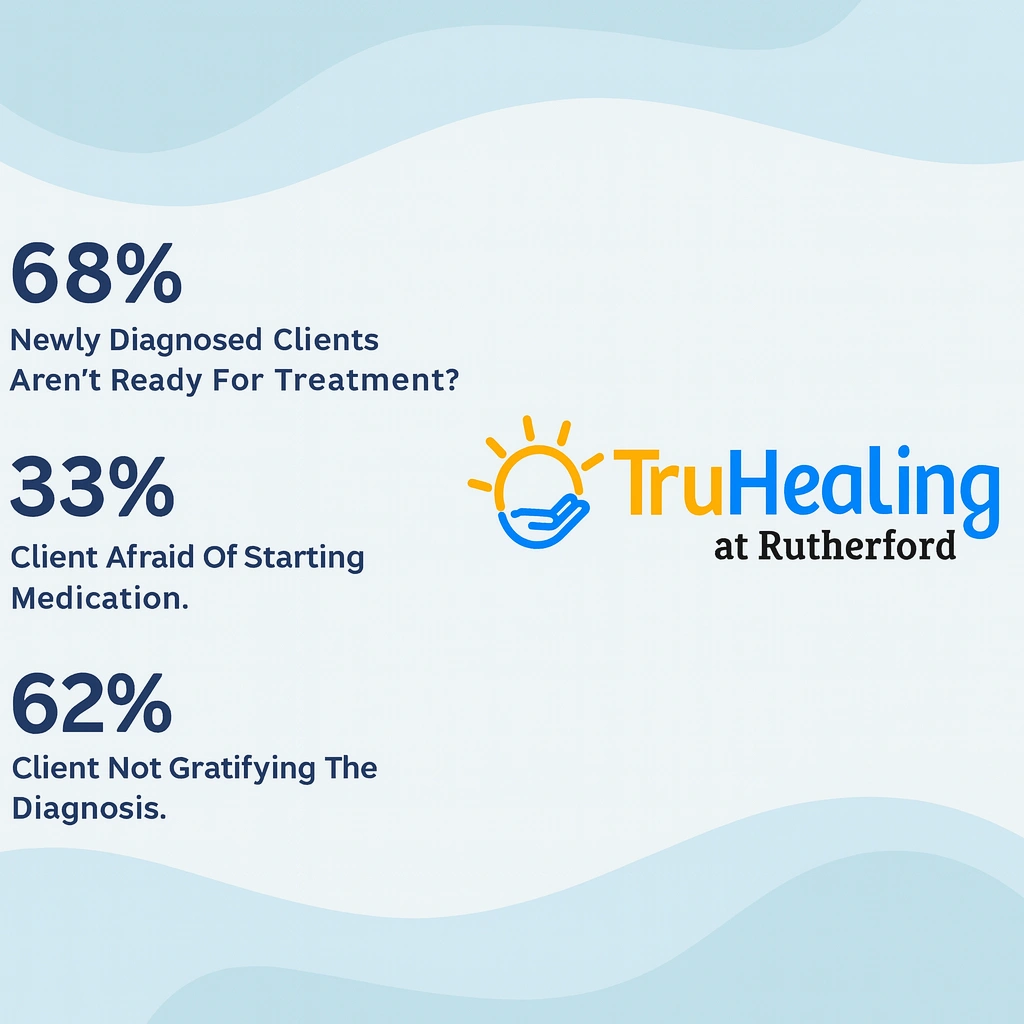
One of the biggest misconceptions about starting treatment is the idea that you need to be 100% ready. That you have to fully accept your diagnosis, agree with the treatment plan, and commit to recovery like you’re already on the other side of it.
At TruHealing, we don’t expect that.
We know that being newly diagnosed often means you’re still questioning everything. And that’s okay. You’re allowed to take this slowly. In our residential program, you don’t have to explain everything on day one—or even week one. We start with helping you feel safe. That’s it.
Because until your body and brain know they’re safe, no real healing can happen.
Residential Treatment Isn’t Cold or Clinical—It’s Designed to Be Human
The word “residential” might sound sterile or institutional. But what it really means is space. Space to breathe, to sleep through the night, to cry without being watched, to eat a meal you didn’t have to make.
It means people who care—not just clinicians who check boxes.
- Staff who learn your name before they learn your diagnosis.
- Therapists who make room for silence, not just answers.
- Peers who’ve had their own fears, and didn’t leave because of them.
At TruHealing at Rutherford, our residential treatment setting gives you a gentle rhythm: meals, rest, therapy, connection. But the pace is yours. You don’t have to “keep up.” You don’t have to perform progress. You just get to be.
Medication Decisions Are Made With You, Not For You
If you’re afraid of starting medication, you’re not alone. We hear that from many clients, especially those who identify as creative, deeply emotional, or intuitive. The fear isn’t just about side effects—it’s about self:
- “What if it numbs me?”
- “What if I stop feeling like me?”
- “What if I depend on it forever?”
These aren’t silly concerns. They’re human ones. And they deserve to be treated with care.
Our psychiatric providers at TruHealing don’t treat you like a compliance checkbox. They explain, listen, and most importantly—give you time. You’ll never be pressured to start a medication you’re not ready for. And if you do decide to try one, we’ll walk with you through the process gently, with frequent check-ins and real conversations.
Medication doesn’t have to mean surrendering yourself. Sometimes, it’s the first quiet sign that your brain doesn’t have to fight so hard.
When Diagnosis Feels Like an Identity Earthquake
For many clients, getting diagnosed doesn’t bring relief—it brings fear.
Maybe you grew up in a culture where mental health wasn’t talked about. Or maybe you have been talking about your symptoms for years, only to now be told they “mean something.”
A diagnosis can feel like a new name you didn’t ask for.
At TruHealing, we see diagnosis as information—not identity. It helps us understand how your brain works and what kind of support might help. But it’s not the full story. You’re still the same person. Maybe now, you just have a language for your pain.
We’ll help you translate that language into support, care, and self-understanding—not limitation.
You Deserve a Place Where You Don’t Have to Pretend
The early days after a diagnosis can feel like emotional whiplash. Some people around you might rush to optimism: “You’ll be fine!” Others might not understand at all.
In our residential program, there’s no need to pretend.
You don’t have to explain why you’re still confused. You don’t have to justify why you’re scared to take a certain step. This is a space where nuance is welcomed and where emotions are allowed to be complicated.
We hold space for the messy middle—not just the hopeful finish line.
Real People. Real Rest. Real Healing.
In the quiet hours of the evening at TruHealing at Rutherford, clients often talk with each other—not about symptoms or goals, but about small things:
- The comfort of not hearing sirens at night.
- The strange relief of not having to smile when you don’t feel like it.
- The joy of hearing “I felt the same way” from someone who really means it.
That’s residential treatment. Not just therapy sessions—but life, supported. Rest, protected. Progress, allowed to unfold slowly.
This isn’t about turning you into someone else. It’s about helping you feel safe enough to be fully yourself—maybe for the first time in a long time.
What Comes After Safety?
Eventually, once your nervous system has exhaled and your mind starts to trust again, other things become possible:
- A clearer sense of what you want from treatment—not what others expect.
- Conversations that feel like real connection, not interviews.
- Small victories—like taking a shower, opening up in group, sleeping through the night.
And when those things happen, they aren’t small. They’re sacred.
This is the gift of a residential program that centers safety: the ability to move at the speed of trust, not pressure.
FAQ: Starting Residential Treatment When You’re Newly Diagnosed
Is residential treatment too intense for someone newly diagnosed?
Not at all. In fact, residential care often feels less overwhelming because everything is in one place—support, meals, structure, and emotional safety. There’s no juggling appointments or navigating confusion alone.
Do I have to take medication if I come?
No. We will never force you to take medication. Our role is to offer informed options, answer questions, and support you if and when you’re ready. Your autonomy is always respected.
What if I still don’t believe the diagnosis is right?
That’s more common than you think. Our team doesn’t expect you to accept a label immediately. We’re here to explore, reflect, and help you build understanding over time. Your perspective matters.
How long will I stay in the residential program?
Length of stay depends on your needs and goals, but most clients stay between 30–60 days. That said, we work with you and your support system to make a plan that feels manageable and effective.
What happens after residential treatment ends?
We’ll help you plan for next steps, whether that’s outpatient therapy, continued medication support, or a structured step-down program. Our goal is to make sure you feel supported, not dropped.
When You’re Ready to Feel Safe Enough to Begin…
We’re here.
Whether you’re still sorting through the shock of your diagnosis, worried about what treatment might take away, or just hoping for a moment of calm—you don’t have to do this alone.
Call (410) 431-3792 to learn more about our Residential Treatment Program services in Windsor Mill, Maryland. We’ll meet you exactly where you are.